


Recessed Lighting: Planning a Layout That Actually Transforms a Room
Recessed lighting can make a room feel bright, clean, and modern, or leave it patchy and over-lit. The difference is almost entirely in the layout. Here is how to plan recessed lighting that works.
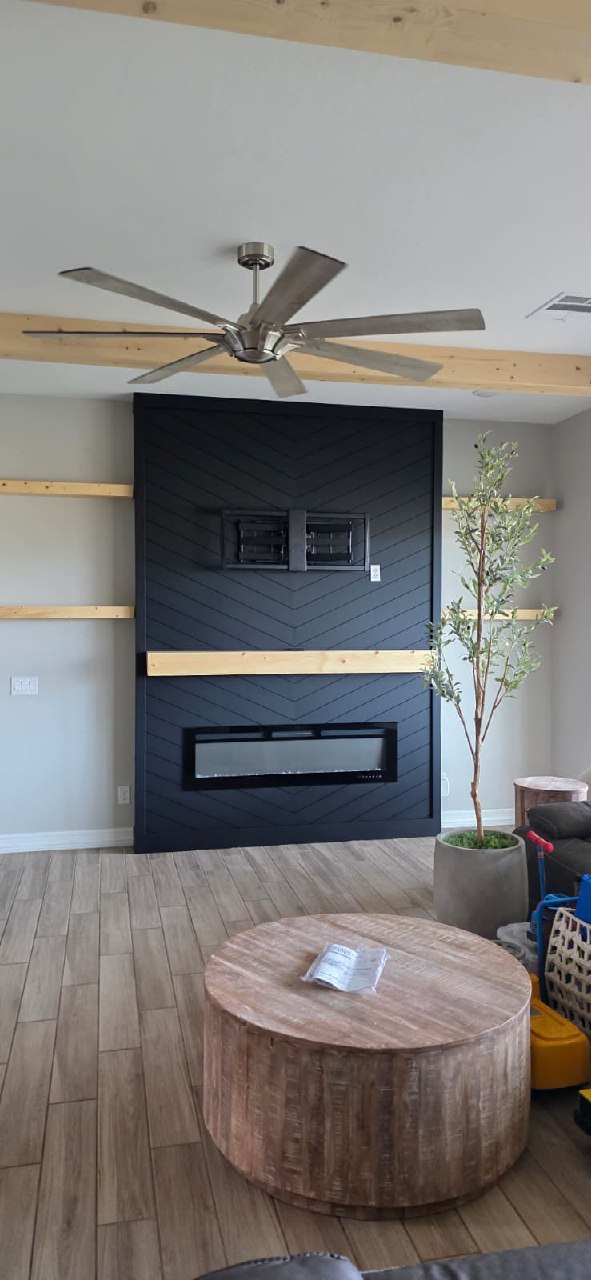
Recessed lighting is one of those upgrades that can completely change how a room feels, making a space brighter, cleaner, and more modern by pulling bulky fixtures out of sight and washing the room in even light. It is also one of the most commonly botched, because homeowners tend to focus on the fixtures themselves and skip the part that actually matters: the layout. A thoughtful plan produces a room that is comfortably and evenly lit with light exactly where it is needed. A careless one produces dark corners, harsh hot spots, awkward shadows on faces, and the dreaded ceiling that looks like a runway of random dots. The lights are the same either way; the planning is the whole game.
The first principle is that spacing and placement have to be deliberate, not evenly scattered for their own sake. Recessed lights that are placed by dividing the ceiling into a grid without thinking about the room below often light the floor beautifully and the useful surfaces poorly. Good placement starts from what the room is for, positioning lights to illuminate the areas people actually use, work surfaces, seating, walkways, and features, rather than just marching them across the ceiling. Lights set too far apart leave gaps and shadows; set too close, they over-light and waste energy. Getting the spacing right for the ceiling height and the room's purpose is the core of a layout that works.
Layering is the concept that separates a flat, over-lit room from a comfortable one. Recessed lights are wonderful, but a room lit only by a uniform field of ceiling cans can feel clinical and one-dimensional. The best plans use recessed lighting as one layer among several: general ambient light from the recessed cans, task lighting where focused work happens like a kitchen counter or a reading chair, and accent lighting to highlight features such as art or a fireplace. Thinking in layers means the recessed lights do not have to do everything, which lets them be placed for even, pleasant fill rather than cranked up to over-light the whole space.
Color temperature is a small specification with a big effect on how a room feels, and it is worth deciding on purpose. Light is measured on a warm-to-cool scale, and a warmer light gives living spaces and bedrooms a cozy, inviting feel while a cooler, brighter light suits task-heavy areas like kitchens, garages, and workspaces. The common mistake is mixing color temperatures across a room or a home so the light feels inconsistent from space to space. Choosing a temperature intentionally for each room's purpose, and staying consistent within a space, is what makes recessed lighting feel designed rather than accidental.
Dimmers are the upgrade almost no one regrets, and they should be planned in from the start rather than added as an afterthought. A recessed layout put on dimmer controls can shift from bright and functional for cooking or cleaning to soft and relaxed for an evening, which effectively gives one room several lighting moods. Without dimmers, recessed lighting is stuck at full output, which is exactly what makes some rooms feel harsh and over-lit. Pairing the layout with quality dimmers, and with LED trims that dim well, turns a fixed lighting scheme into a flexible one that fits how the room is used through the day.
The practical side of installation matters in a real home, especially in retrofits. New recessed lights have to be planned around what is above the ceiling, framing, ductwork, insulation, and wiring runs, and around whether the ceiling is an accessible attic or a finished space that will need patching. In a Phoenix home, coordinating recessed lighting with insulation and the attic environment is part of doing it right, and the layout sometimes has to flex around what the structure allows. Planning the electrical and the ceiling work up front is what keeps a lighting project from turning into a series of surprise patches and compromises.
Done with a real plan, recessed lighting is one of the most transformative and satisfying updates a room can get, delivering clean, even, flexible light that makes a whole space feel brighter and more modern. The fixtures are almost incidental; the value is in spacing them for the room's actual use, layering them with task and accent light, choosing a consistent color temperature, and putting them on dimmers. Home Harmony helps Phoenix-area homeowners plan and install recessed lighting layouts that fit the room rather than just filling the ceiling, so the finished space is lit the way it was meant to be used.
Need a free estimate?
Home Harmony LLC helps Arizona homeowners with painting, repairs, cabinet upgrades, pressure washing, deck and fence work, and practical home improvements.