


Kitchen Cabinet Refacing vs Full Replacement: How to Choose
Refacing and full replacement both update a kitchen, but they solve different problems. Here is how to tell which one is right for your space.
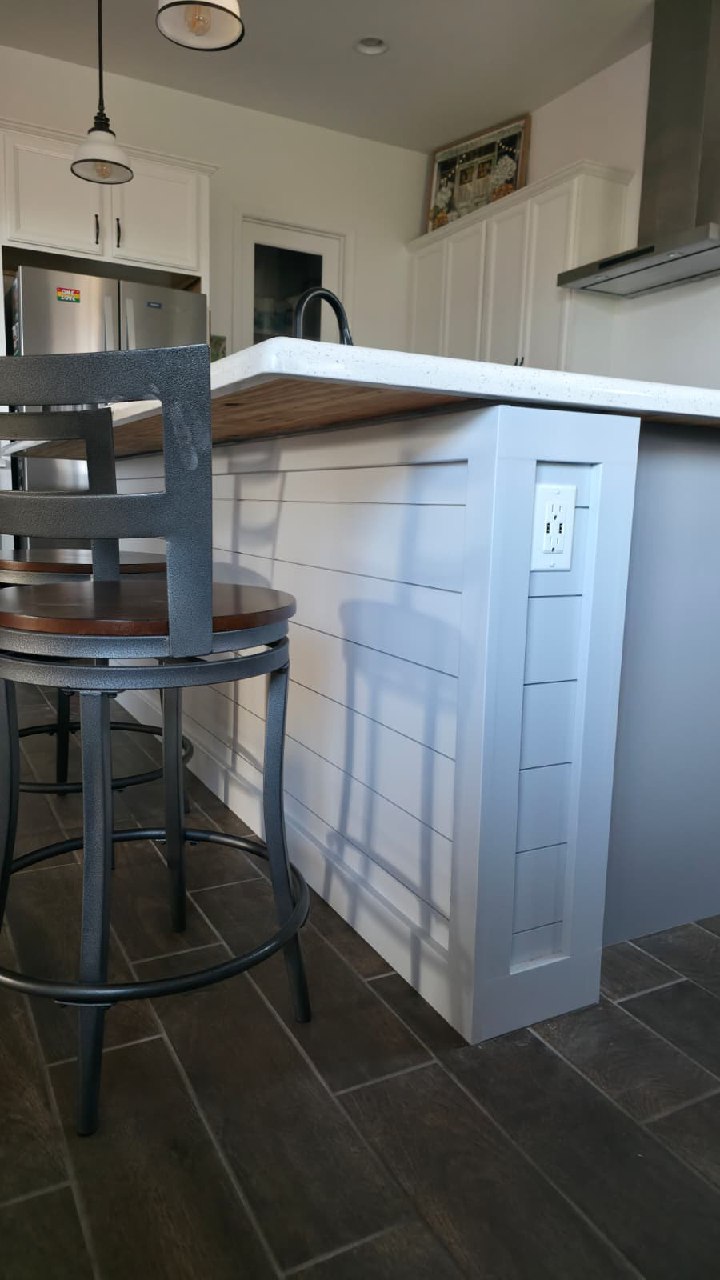
Kitchen cabinets are the largest visual surface in most kitchens, which is why deciding whether to reface or fully replace them often becomes the central question of a remodel. Both routes can leave a kitchen looking new, but they solve different problems and the right answer depends on the condition of the existing boxes, the layout, and the budget.
Refacing keeps the existing cabinet boxes in place and updates everything visible — new doors, drawer fronts, hardware, and a fresh veneer or paint on the exposed cabinet frames. When the layout already works and the boxes are structurally sound, refacing can deliver a dramatically new look for a fraction of the cost of replacement. It is also much faster, often completed in a few days instead of weeks.
Full replacement makes more sense when the layout is wrong, the existing boxes are damaged, or the kitchen needs significant changes to function better day to day. Moving the sink, expanding the island, adding tall pantry units, or converting upper cabinets to open shelving all require new cabinetry. Trying to force a refacing job to do those things is the most common reason refacing projects come out looking dated within a year or two.
Cabinet condition is the deciding factor more often than people expect. Solid wood boxes that have been kept dry and clean reface beautifully. Particle-board boxes that have absorbed moisture under the sink, sagged under heavy drawers, or pulled away from the wall need to be replaced. A refacing project bonded to weak boxes will not hold, and the new doors will start to misalign within months.
Hardware and door style choices matter as much as the cabinets themselves. Updated hinges with soft-close action, full-extension drawer slides, and modern pulls transform how the kitchen feels to use, even when the existing layout stays the same. Skipping these upgrades is a common reason a refaced kitchen still feels like the old one.
Countertops and backsplash often come into the decision because they have to be reset either way once the cabinets change. A homeowner already planning new counters has more flexibility on either route. One choosing to keep existing counters needs to confirm the new doors and drawer fronts will sit cleanly against the existing tops without exposing old caulk lines or gaps.
A professional remodeling team can evaluate the existing cabinet boxes, the layout, and the homeowner's goals to recommend which route actually fits the kitchen. In some homes, refacing is the smart move and looks indistinguishable from a full replacement. In others, replacement is the only path that delivers a kitchen that works the way the family needs it to.
Resale value is the final consideration that often tips the decision. A clean cabinet replacement reads as a fully updated kitchen to buyers and appraisers, which supports the resale price when the home goes on the market. A high-quality refacing job photographs well and reads as updated to most buyers, but a careful walkthrough can sometimes spot it. For owners staying in the home long term, the difference rarely matters. For owners planning to sell within a few years, the question of how the kitchen will be perceived in a listing should factor into the choice. A professional team can talk through the local market and the likely buyer pool before recommending which route fits.
Need a free estimate?
Home Harmony LLC helps Arizona homeowners with painting, repairs, cabinet upgrades, pressure washing, deck and fence work, and practical home improvements.