


Drywall Texture Matching: Why It Is Harder Than It Looks
Patching a hole is the easy part. Matching the surrounding texture is what separates a repair that disappears from one that stands out.
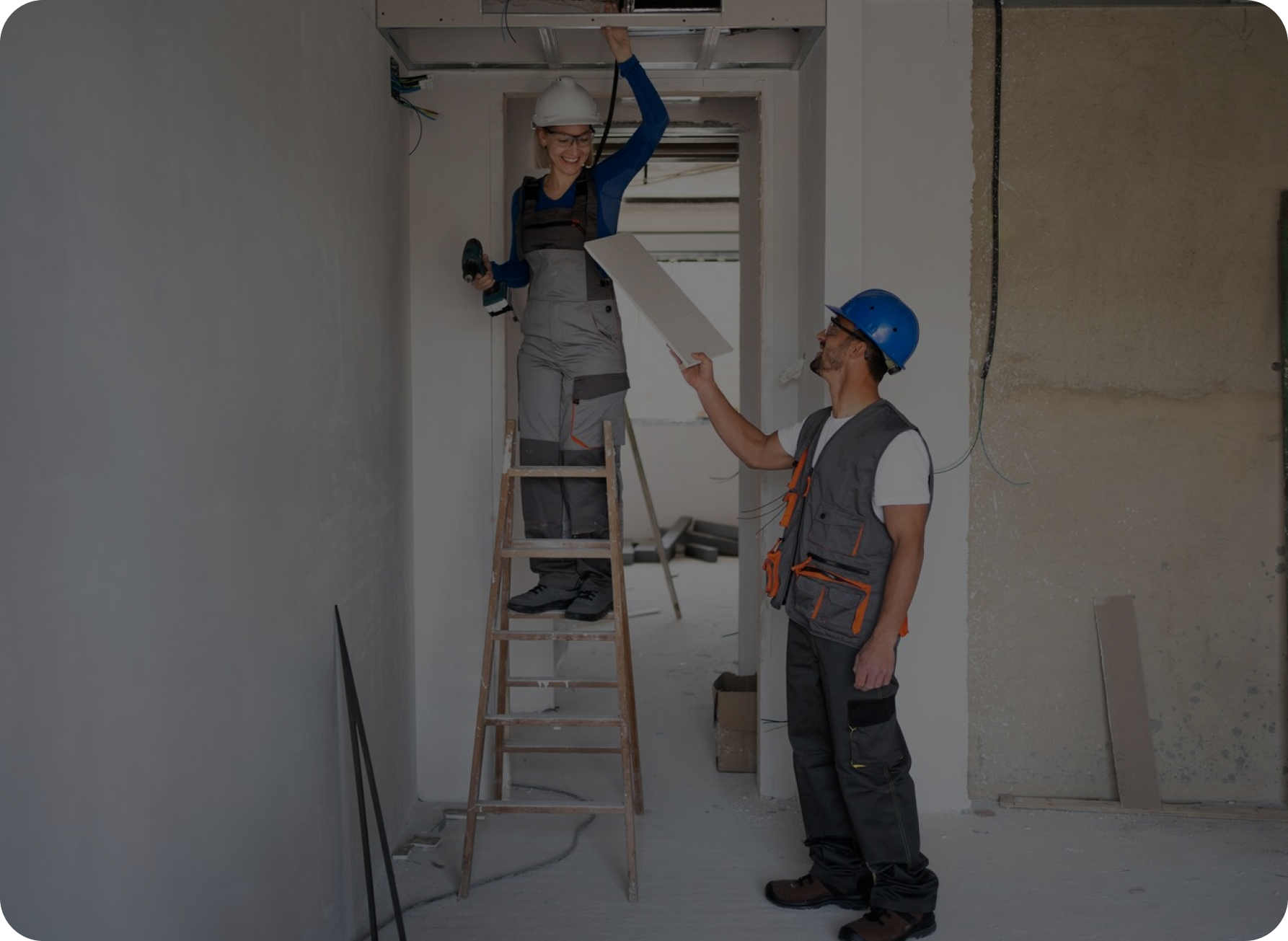
Most drywall patches succeed at the structural part. The hole is filled, the seam is taped, the mud is sanded. Where repairs go wrong is the texture. A flawless patch with mismatched texture stands out from across the room, while a slightly imperfect patch with the right texture disappears completely. Texture matching is what separates an obvious repair from one that is invisible.
The first step is identifying the existing texture honestly. Orange peel, knockdown, popcorn, skip trowel, smooth level five, and various regional variations all look superficially similar but are produced by different tools, different mud consistencies, and different timing. Spraying the wrong texture even with the right tool produces a patch that reads as wrong immediately. A close inspection of the surrounding wall under raking light tells you what you are actually dealing with.
Orange peel and knockdown are the two most common wall textures in modern homes, and they are also the two that look the most different from each other up close. Orange peel is a fine spatter that dries as it lands. Knockdown is the same spatter flattened with a wide knife once it has set partially. Getting the spray pressure, the mud thinning, the nozzle distance, and the timing right are all variables, and missing any of them produces a patch that looks subtly off even after paint.
Popcorn ceilings deserve a special note. Modern popcorn aerosol cans exist but rarely match older ceilings perfectly because the original texture used larger or smaller aggregate than the can produces. The cleanest fix is often to scrape and retexture a larger area than the damage itself, so the matching transition happens at a natural edge — a ceiling line, a wall, a corner — instead of in the middle of an open ceiling.
Skim coat and level five finishes are unforgiving in a different way. A perfectly smooth wall shows every imperfection, so a patch in a smooth wall has to be ground flat across a larger area than the damage. Feathering the mud out far enough that the eye cannot find the edge usually means working an area three to four times the size of the original hole.
Paint sheen is the final piece that makes or breaks a texture match. Even a perfect texture patch shows under flat paint if the new mud absorbs paint differently than the surrounding wall. Priming the patch and then painting the whole wall corner to corner is what makes the repair vanish.
A professional drywall team plans the texture match before the first coat of mud, which is why their repairs read as part of the wall instead of as patches on top of it.
Ceiling work is harder than wall work because ceilings are lit by raking light from every window and lamp in the room. Imperfections that disappear on a wall will glow on a ceiling, which is why professional drywall finishers often charge more for ceiling repairs than for similar wall damage. The lighting test — turning off the overhead lights and shining a flashlight or work light across the surface at a low angle — is the same test a finisher uses to evaluate their own work. Any homeowner inspecting a drywall repair can use the same trick to see whether the patch actually disappears under real-world lighting conditions.
Need a free estimate?
Home Harmony LLC helps Arizona homeowners with painting, repairs, cabinet upgrades, pressure washing, deck and fence work, and practical home improvements.